A good PR campaign is not a burst of press releases, it is a plan. Here is how Bangladeshi businesses set goals, choose channels, time their news and measure what actually worked.
What a PR Campaign Looks Like in the Bangladesh Market
Whether you are launching an ecommerce platform, opening a new hospital branch, or announcing a factory expansion, the underlying PR discipline is the same: decide what story you are telling, who needs to hear it, and how you will reach them.
In practice, most campaigns in Bangladesh combine two worlds. There is the traditional media layer, business desks at Prothom Alo, The Daily Star, Ittefaq, Jugantor and Kaler Kantho, plus television newsrooms at channels like Jamuna TV, Ekattor and Somoy TV, and there is the digital layer of online news portals, social platforms and search. A campaign that ignores either layer underperforms.
The businesses that get the best results tend to treat PR as a planned activity with milestones, not an improvised reaction to a slow sales month. The sections below walk through the planning sequence we use with clients, from the first objective-setting conversation to the post-campaign review.
Key Takeaways
| Point | What it means for your brand |
|---|---|
| Start With One Primary Goal | Awareness, credibility and lead support are all valid objectives, but a campaign that chases all three at once usually delivers none of them clearly. |
| Timing Is Strategy | Planning around Bangladesh’s news cycle, budget sessions, Eid trading periods, national events, determines whether your story lands or gets buried. |
| Match the Channel to the Audience | English dailies reach corporate and international readers; Bangla dailies and TV reach the mass market; digital channels support both with measurable reach. |
| Define Success Before You Launch | Agreeing in advance what outcomes count, coverage quality, message pull-through, enquiry volume, makes the post-campaign review honest instead of vague. |
Set Goals, Audiences and Budgets First
The most common planning mistake in the market is starting with tactics: “we need a press release” before anyone has asked what the release is supposed to achieve.
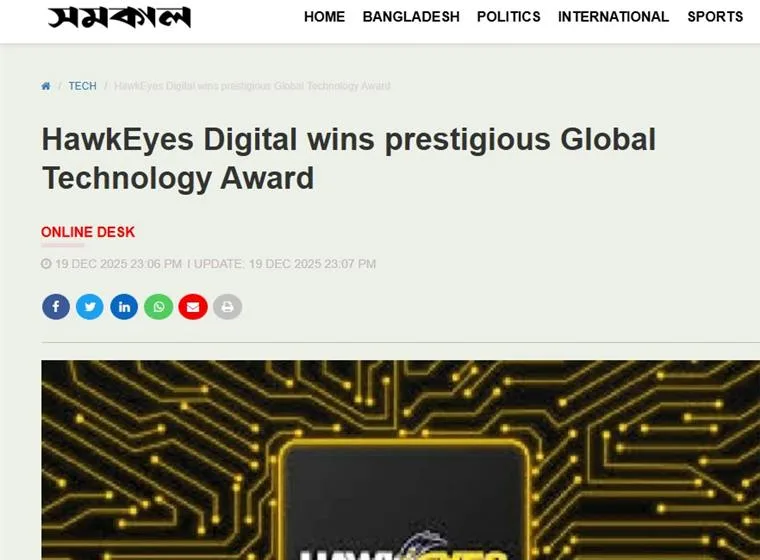
One primary objective per campaign
For a startup raising a seed round, the goal may be credibility with investors and the wider business community. For a consumer brand entering Eid season, it may be broad awareness ahead of peak trading. For a healthcare provider, it may be trust around a new service line. Pick one primary objective and let everything else be secondary.
Know exactly who you are talking to
“Everyone in Bangladesh” is not an audience. Retail buyers in Dhaka, procurement managers in the RMG sector, parents choosing a school, or young professionals comparing fintech apps each read different outlets and respond to different angles. Writing down two or three specific audience profiles keeps the message sharp and the media list relevant.
Budget realistically
A PR budget covers strategy and media relations work, content creation, distribution, and, where relevant, events or production. Being clear about which elements you are funding prevents the common disappointment of expecting broadcast coverage from a spend that only covers written materials. If you are comparing options, our press release pricing page shows how distribution costs typically break down.
Then Build the Plan, Step by Step
With the foundation set, execution becomes a sequence rather than a scramble.
Find the Newsworthy Core
Every campaign needs an honest news hook, a launch, a milestone, a survey, a point of view on a live industry issue. If the only real news is “we exist,” it is worth developing the story further before approaching journalists.
Create the Core Materials
Typically this means a well-written press release, a backgrounder on the company, a quotable spokesperson, and supporting visuals. Materials should be ready in both Bangla and English when the campaign targets both audiences.
Map the Media List
Match each outlet and journalist to an audience you care about. Business desks, tech correspondents, economic reporters and broadcast producers each need a different angle on the same news.
Sequence the Rollout
Decide what goes out first, what follows, and what sustains the story over weeks. A single-day burst fades quickly; a planned arc of announcement, follow-up commentary and human-interest coverage keeps the brand in view longer.
Support With Digital Amplification
Coverage gains a second life when repurposed on owned channels and professional networks. This is also where search visibility and online mentions accumulate, an area where digital PR campaigns complement traditional outreach.
Choosing the Right Mix: Print, Broadcast and Digital
Bangladesh’s media ecosystem gives planners real choices, and choosing well is half the campaign.
Print and online news
Coverage in established dailies and their online editions carries strong third-party credibility. Business pages are the natural home for corporate news, expansions and leadership commentary, while front-page or national desks are reserved for stories with wider public significance.
Television
TV remains powerful for reaching audiences at scale and for giving a story human faces and voices. Interview segments, talk show discussions and event coverage work well for launches and public-interest topics. When broadcast matters to your campaign, dedicated TV and show coverage planning helps you make the most of limited airtime.
Digital and social
Online news portals, industry blogs and social platforms offer speed, targeting and measurability. For ecommerce, fintech and education brands especially, digital coverage often drives the most direct traffic and enquiries. The strongest campaigns use digital to extend the reach of earned media rather than as an afterthought.
A common pattern for a mid-sized Dhaka company: anchor with one or two credible news placements, support with digital features and commentary, and add broadcast where the topic suits the format.
Work With the News Cycle, Not Against It
The same story can flourish or disappear depending on the week it is released.
Editors in Bangladesh plan coverage around predictable rhythms: the national budget session dominates economic coverage for weeks; Ramadan and Eid reshape consumer and retail news; the RMG sector’s busy periods affect trade coverage; and major national days and political events can swallow everything else for days at a time.
Good planning means checking your campaign calendar against these rhythms well in advance. Launching a retail campaign ahead of Eid, a policy-relevant story just before the budget, or an export announcement alongside international trade events all raise the odds of attention. Conversely, announcing something important during a major national news event is a quiet way to waste a good story.
It also means being ready to move quickly when opportunity strikes. If a policy change or industry development makes your spokesperson’s expertise relevant tomorrow, the companies with prepared commentary and established media relationships get the call. That readiness is one of the most valuable, and least visible, outputs of consistent PR work.
Measure What Actually Worked
A campaign is not finished when the last article runs. The review is where the next campaign gets smarter.
| Point | What it means for your brand |
|---|---|
| Coverage Quality | Which outlets ran the story, how prominently, and did the key messages come through? A thoughtful feature often outweighs several brief mentions. |
| Message Pull-Through | Did journalists repeat the points you intended, in language close to yours? This tells you whether your materials actually communicated. |
| Audience Response | Enquiries, website visits, search interest, social engagement and direct feedback from partners are the signals that coverage is doing real work. |
Capture the lessons in a short written summary, what worked, what did not, and which angles landed. Teams that do this find their next campaigns far more efficient.
Frequently Asked Questions
How far in advance should we plan a PR campaign in Bangladesh?
For a major launch, planning often starts several weeks ahead, time to shape the story, prepare materials, and build a media list. Smaller announcements can move faster, but campaigns tied to events like Eid or the national budget should be mapped to the calendar well in advance.
Do we need press releases in both Bangla and English?
It depends on your audience, but many campaigns benefit from both. Bangla materials reach the largest national audience, while English materials suit corporate readers and international partners. Writing both widens your options.
Can a small business run a PR campaign on a limited budget?
Yes, if the scope is honest. A focused campaign built around one strong story, a small targeted media list and consistent follow-up can outperform an expensive scattershot effort. Prioritise credibility over volume, and expand the mix as results justify it.
How do we know if our PR campaign succeeded?
Compare results against the objective you set at the start. If the goal was credibility with corporate decision-makers, a detailed business-page feature is a stronger result than mass-market mentions. Define success before launch and the review becomes straightforward.
Should PR and advertising run together?
They complement each other well. Earned media builds independent credibility, while advertising guarantees reach and timing. Many Bangladeshi brands use earned coverage as the trusted core and paid channels to amplify it.
Plan Your Next PR Campaign With a Team That Knows the Market
From goal-setting and media mapping to distribution and post-campaign review, PRAGENCY.BD helps businesses across Dhaka and Bangladesh run PR that is planned, not improvised. Start with a conversation about your goals, or browse our blog for more guides on making PR work in this market.
Book a Free 30-Minute PR Consultation or get a quote →