Choosing a PR partner in Dhaka’s fast-moving media market is a high-stakes decision. This guide gives Bangladeshi founders, marketers and brand managers a practical framework for evaluating agencies, asking the right questions, and avoiding costly mistakes.
Why This Decision Matters More Than Ever
In Bangladesh, a single strong news feature can define a brand, and a single mismanaged story can undo years of work.
The Bangladeshi media market is unusually news-hungry. Print dailies, TV news channels, and fast-growing online portals all compete for stories about business, startups, and the economy. That creates real opportunity for brands in Dhaka, Chattogram and beyond, but only if your agency understands this specific ecosystem.
A generic, copy-paste PR approach fails here. Newsroom cultures, editorial preferences, publication cycles, and audience expectations differ between a Bangla daily and an English business desk, and between a TV bulletin and an online portal. The agency you choose determines whether your story reaches the right desk in the right form, or disappears into an inbox.
This article walks through exactly what to look for, what to ask, and what to avoid when hiring a PR agency in Bangladesh, so you can make the decision with confidence rather than guesswork.
What a Good PR Agency Should Actually Do for You
Before you compare agencies, get clear on what the job involves.
At its core, public relations is earned media: getting credible third parties, journalists, editors, producers, and publications, to tell your story because it is genuinely newsworthy. A competent agency handles the full chain: positioning, writing press materials, maintaining journalist relationships, pitching stories, coordinating coverage, and reporting on outcomes.
For Bangladeshi businesses, that work often spans several channels at once. A product launch might involve a business-desk feature in a national daily, a segment on a TV news channel, a story on a popular online portal, and supporting visibility in search results. Agencies that understand both traditional and digital PR can plan those touchpoints together instead of treating them as separate silos.
- Strategy: defining your audience, key messages, and the stories your brand can own.
- Media relations: knowing which desk cares about your sector, and how it prefers pitches.
- Content: writing press releases and feature angles that read like news, not advertising.
- Coordination: managing interviews, briefings, and follow-ups without burning journalist goodwill.
- Measurement: reporting what was published where, and what it means for visibility.
If an agency cannot clearly explain how it handles each of these areas for the Bangladeshi market, keep looking.
Key Factors to Evaluate Before You Hire
Not all agencies are equal, and flashy decks hide real differences. Focus on these five dimensions.
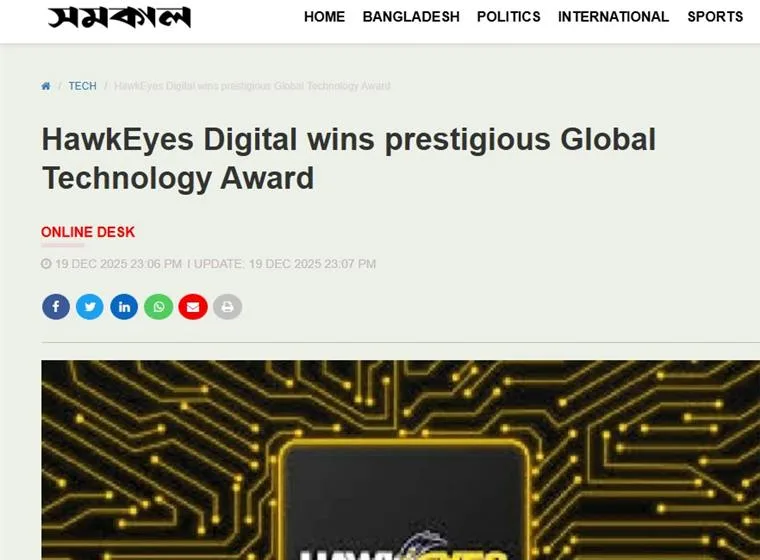
1. Proven work in the Bangladeshi market
Ask for case studies relevant to your sector, whether you run an ecommerce platform, a fintech product, an RMG business, a real estate project, or a healthcare brand. You want evidence that the agency understands how stories in your industry get covered locally, not just a list of client logos.
2. Real media relationships
Coverage is built on trust with editors and reporters over years, not on mass email lists. Ask how the team maintains relationships across Bangla and English outlets, print and television, and online portals. A strong agency can describe how different newsrooms prefer to receive a story, and that description will sound specific, not generic.
3. Writing and editorial quality
Request samples of press releases and pitch notes the agency has produced. Good PR writing is factual, concise, and newsworthy; poor PR writing reads like an advertisement. Read the samples critically, this is exactly what journalists will receive on your behalf.
4. Communication and team access
You should know who actually works on your account, how often you will hear from them, and how quickly they respond when news breaks. In a market where a story can develop within hours, slow agencies lose windows that faster ones capture.
5. Honest measurement
Ask what reporting looks like: which placements were secured, what type of coverage each was, and how outcomes are tracked over time. Be wary of agencies that promise guaranteed publication counts or specific outlets in advance, editorial decisions always rest with newsrooms, and credible agencies say so.
- Evaluate agencies on local market knowledge, media relationships, writing quality, communication, and honest measurement.
- Never trust promises of guaranteed coverage, editorial control always sits with the newsroom.
- Ask for sector-relevant examples, not just brand names.
The best PR agency for a Bangladeshi business is the one that understands your industry, treats journalist relationships as a long-term asset, writes like an editor, and reports results without hype. Everything else is decoration.
Questions to Ask in Your First Meeting
Come prepared. The quality of an agency’s answers tells you almost everything.
| Step | What happens |
|---|---|
| Which stories in our sector get covered in Bangladesh, and why? | A strong agency will name the angles that work, launches tied to national trends, founder stories, export milestones, research findings, and explain what typically does not get picked up. |
| How do you pitch, and to whom? | Listen for specifics: which desks, which formats, how follow-ups are handled, and how the team avoids spamming journalists. |
| What does the first 90 days look like? | You want a concrete plan: message development, press materials, initial pitching, and early momentum indicators, not a promise that “you will be everywhere.” |
| How do you handle a bad news day? | Crisis readiness matters for every brand, from startups to established manufacturers. |
| What will reporting include? | Expect a clear list of placements, coverage type (news mention, feature, interview, TV segment), and follow-up recommendations. |
Which stories in our sector get covered in Bangladesh, and why?
A strong agency will name the angles that work, launches tied to national trends, founder stories, export milestones, research findings, and explain what typically does not get picked up.
How do you pitch, and to whom?
Listen for specifics: which desks, which formats, how follow-ups are handled, and how the team avoids spamming journalists. Vague answers about “media contacts” are a warning sign.
What does the first 90 days look like?
You want a concrete plan: message development, press materials, initial pitching, and early momentum indicators, not a promise that “you will be everywhere.”
How do you handle a bad news day?
Crisis readiness matters for every brand, from startups to established manufacturers. Ask how the agency prepares statements, manages inbound media queries, and protects reputation when a story turns negative.
What will reporting include?
Expect a clear list of placements, coverage type (news mention, feature, interview, TV segment), and follow-up recommendations. Visibility in search results and referral traffic are useful supplements to raw clip counts.
Good agencies welcome these questions. Evasive ones have just answered your most important question of all. For more on what earns in-depth coverage, see our guide to news features.
Red Flags to Watch Out For
Most bad PR engagements fail the same handful of ways. Learn to spot them early.
- Guaranteed placements. No agency controls editorial decisions. Anyone promising publication in named outlets is either misleading you or paying for what should be earned.
- One-size-fits-all packages. A strategy that supposedly works identically for an ecommerce brand, an RMG exporter, and a healthcare group was not designed for any of them.
- No questions about your business. If the first meeting is all pitch and no discovery, expect generic work.
- Black-box reporting. If you cannot get a straight answer on what you will receive each month, you will not like what arrives.
- Pressure to sign immediately. Reputable agencies give you time to compare proposals and speak to references.
Taking two extra weeks to choose well is cheaper than six months correcting a poor choice.
Understanding PR Pricing in Bangladesh
PR pricing in Bangladesh varies widely, by scope, by channel mix, and by the seniority of the team working on your account.
Most agencies work on monthly retainers for ongoing work, or project fees for launches and one-off campaigns. Cost is driven by the number of stories developed, the channels involved, and how much research and content the work requires. Before comparing quotes, define what success looks like, visibility in specific segments, a steady flow of quality features, or stronger search presence.
If you want a transparent benchmark, review our press release and PR pricing page to see how scope typically maps to investment. Pricing clarity is itself a selection criterion: a good agency will explain what is included, what is not, and why.
Frequently Asked Questions
How much does a PR agency cost in Bangladesh?
Costs depend on scope, the number of stories, channels involved, and team seniority. Most engagements run as monthly retainers or fixed-scope projects. Ask for a written scope before comparing prices, and check our pricing page for typical benchmarks.
Can a PR agency guarantee publication in specific newspapers or TV channels?
No. Editorial decisions belong to newsrooms, and credible agencies are transparent about this. What a good agency can promise is professional materials, targeted pitching to the right desks, and consistent follow-through, the factors that actually drive coverage.
How long before I see results from a PR campaign?
Some placements appear within weeks; stronger momentum, recurring features, wider recognition, and growing search visibility, typically builds over several months. PR compounds: early coverage makes later stories easier to place.
Should I choose a Dhaka-based agency if my business is outside Dhaka?
Most national media desks sit in Dhaka, so a team with strong Dhaka relationships can serve brands anywhere in Bangladesh. What matters is whether the agency understands your market and can represent it credibly to national editors.
What is the difference between PR and paid advertising?
Advertising buys space; PR earns it. Coverage secured through PR carries third-party editorial credibility that audiences trust differently from paid placements, though the two work best together as part of a broader communications plan.
Choose Your PR Partner With Confidence
Bring your questions, your sector, and your goals. In a free 30-minute consultation, we will walk through how PR works for a business like yours in Bangladesh, no pressure, no generic pitch.
Book a Free 30-Minute PR Consultation or get a quote →